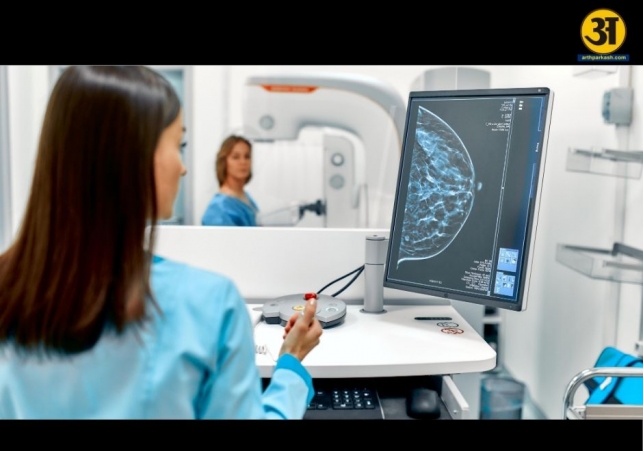
Rising breast cancer cases among young women worry doctors
Experts raise alarm over increasing breast cancer in young women
Breast cancer is no longer a disease that affects only older women. In recent years, more young women in India, particularly those in their 20s and 30s, are being diagnosed with breast cancer. Hospitals in cities like Bengaluru report that cases among women aged 20–40 have doubled in the past five years. Experts warn that this trend is alarming and calls for urgent action to improve awareness, early detection, and prevention strategies.
Dr Shraddha Modi, Associate Consultant in Breast Oncology at Narayana Health City, explains that while breast cancer has traditionally been seen in women above 50, about 15–20 percent of cases in India now occur in women under 40. This is much higher than in Western countries, where only 2–6 percent of cases affect this age group. Young women often have aggressive tumors, making early diagnosis and timely treatment crucial for survival.
Why young women are at higher risk
There is no single cause, but several factors increase the risk of breast cancer in young women:
-
Changing reproductive patterns: Women are having their first child later, having fewer children, or breastfeeding for shorter durations. These changes increase lifetime exposure to hormones like estrogen and progesterone, which can affect breast cancer risk. Fertility treatments and hormonal therapies can also contribute to higher risk.
-
Lifestyle changes: Sedentary lifestyles, obesity, high-calorie diets, processed foods, smoking, and alcohol use have become more common. These habits increase the risk of cancer and are no longer limited to urban populations—they are now seen in semi-urban and rural areas as well.
-
Genetics and biology: Mutations in genes such as BRCA1 and BRCA2 significantly increase risk. Tumors in young women are often more aggressive and higher-grade, meaning they grow faster and may respond poorly to treatment.
-
Low screening and delayed detection: Self-examination and awareness of breast health remain very low among young women. Many dismiss lumps as harmless or avoid seeing a doctor. Routine screenings like mammograms or ultrasounds are rarely done before age 40 in India. According to the NFHS-5 survey, only 0.8 percent of women aged 30–49 have ever had a breast examination. Lack of access to healthcare in rural or low-resource areas also delays diagnosis.
-
Environmental and pollution factors: Exposure to endocrine-disrupting chemicals in plastics, pesticides, and cosmetics, along with air pollution, may increase risk. Indoor lifestyles, less sun exposure, and disrupted sleep cycles can also subtly affect hormone balance and overall health.
Consequences for health, emotions, and life
Young women are often diagnosed at later stages, such as Stage II or III, when treatment becomes more difficult. Aggressive tumors in this age group are more likely to resist standard therapies or relapse after treatment.
The emotional and social impact is significant. Young women may face body image concerns, fertility issues, and mental health challenges. Chemotherapy and radiation can damage ovarian function, and many women need to consider fertility preservation before treatment. Career, relationships, and family life are often disrupted, adding financial and emotional stress.
ALSO READ: India faces rising concerns over adulterated eggs alongside fake paneer
ALSO READ: India’s poverty rate falls dramatically since Independence
What can be done: prevention and early action
-
Raise awareness: Young women should be taught to perform regular self-breast exams from their early 20s. Community health workers, school and college programs, workplace health drives, and social media campaigns can help educate and destigmatize breast health.
-
Early screening: Women with a family history of breast or ovarian cancer or known high-risk genes should start screening in their 20s using ultrasounds or MRI. For other women, clinical breast exams and imaging may be recommended from age 30 in high-risk groups.
-
Improve access and infrastructure: Low-cost, radiation-free screening options like thermography, AI-based imaging, and improved diagnostic networks can help women in underserved areas. Prompt follow-up on suspicious lesions is critical. Primary health centers and local clinics can integrate breast health checks into routine services.
-
Lifestyle changes: Regular physical activity, healthy diets rich in fruits, vegetables, whole grains, and nuts, and reducing alcohol and smoking can lower risk. Encouraging breastfeeding and minimizing exposure to endocrine-disrupting chemicals and pollution are also important preventive steps.
-
Genetic counseling: Women with a family history of cancer should consider genetic testing and counseling to understand their risks. Preventive measures, such as prophylactic surgeries or chemoprevention, may be advised under medical supervision. Fertility preservation options should also be discussed before starting treatment.
-
Psychological and peer support: Young women benefit from counseling, support groups, and mentorship from survivors. These resources help address mental health, fertility, stigma, and treatment challenges, giving them confidence to face the disease.
Know the warning signs
Early detection saves lives. Women should watch for:
-
A new lump in the breast or underarm, especially if hard, painless, or growing
-
Changes in breast size, shape, or symmetry
-
Skin changes like dimpling or puckering, nipple inversion, or discharge
-
Unexplained breast pain or persistent heaviness
-
Redness, swelling, or ulceration
Any of these changes should prompt immediate medical consultation. Early diagnosis improves treatment outcomes and survival chances.
This Breast Cancer Awareness Month, it is crucial to focus on younger women as well. Awareness, education, early screening, genetic counseling, and lifestyle changes can help reduce the rising burden of breast cancer in India’s younger population. Family, communities, healthcare systems, schools, workplaces, and policymakers all play a role in protecting young women’s health and ensuring timely intervention.
Related News